
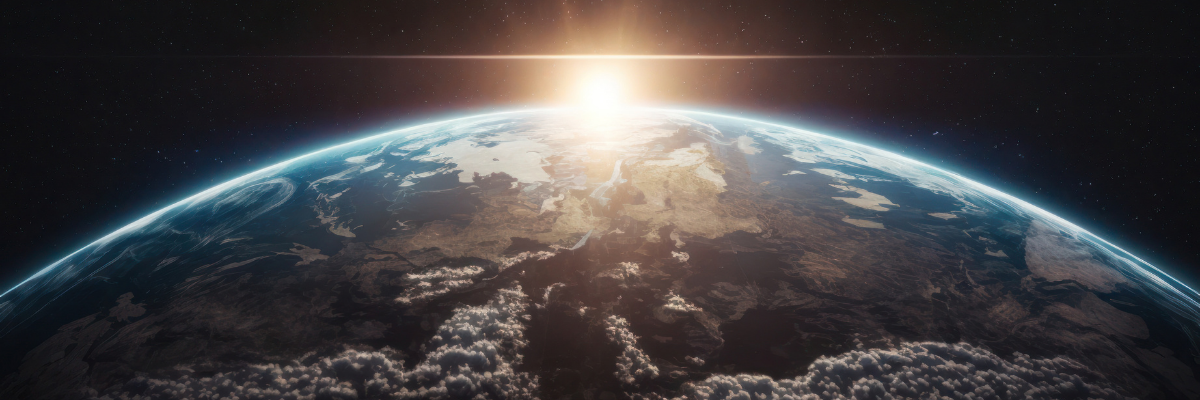
Ever wondered what it’s really like to live beyond Earth? It’s not all glamorous spacewalks and breathtaking views (though, let’s be honest, those are pretty awesome). Imagine swapping your morning commute for floating to the kitchen, trading your comfy bed for a sleeping bag strapped to a wall, and learning to brush your teeth in zero gravity. Space life is a fascinating blend of incredible experiences and surprisingly mundane realities. Let’s dive into the day-to-day routines and challenges that astronauts face while living and working among the stars.
Rise and Shine (or Float and Shine!): Starting Your Day in Orbit
Forget hitting snooze! In space, your internal clock can get a little wonky. The sun rises and sets about 16 times a day, which can throw off your circadian rhythm. Astronauts usually have a scheduled wake-up time, and they rely on alarms to get their day started.
So, what’s the first thing they do? Just like us, they need to get clean. But showering is a no-go in zero gravity. Instead, astronauts use waterless shampoo and soap, along with washcloths, to keep themselves clean. Think of it as a super-efficient camping trip, but in a high-tech metal can.
Then comes the most important part of the morning: coffee! Or tea, or juice – whatever floats your boat (or spacecraft!). Drinks come in special pouches with straws, and astronauts have to be careful not to let any stray droplets escape, as they could damage sensitive equipment.
Fueling Up for the Day: Space Food, It’s Not Just Tubes Anymore!
Gone are the days of exclusively eating food squeezed from tubes (though some of that still exists!). Astronauts need a balanced diet to stay healthy and strong in space, so NASA and other space agencies work hard to provide a variety of nutritious and tasty meals.
- Rehydratable foods: Many meals are dehydrated to save space and weight. Astronauts add water to them using a special dispenser. Think freeze-dried ice cream, but for everything from mac and cheese to chicken and rice.
- Thermostabilized foods: These are heat-processed to kill bacteria and keep them shelf-stable for long periods. They often come in cans or pouches.
- Naturally shelf-stable foods: Some foods, like nuts, dried fruits, and cookies, can be eaten as is.
- Fresh produce (sometimes!): Occasionally, fresh fruits and vegetables are sent up on resupply missions. These are a real treat for astronauts, who crave the taste of something fresh and crunchy.
Eating in zero gravity takes a little getting used to. Food floats around, so you have to be careful not to let it drift away. Utensils are often magnetized so they can be attached to a tray, and astronauts use velcro to keep their food pouches from floating off.
Work, Work, Work: What Do Astronauts Actually Do Up There?
Astronauts aren’t just floating around admiring the view all day (although, let’s face it, that is part of the job!). They have a packed schedule of experiments, maintenance tasks, and other responsibilities.
- Scientific research: This is a major part of an astronaut’s job. They conduct experiments in a variety of fields, including biology, physics, and medicine. These experiments can help us understand how the human body adapts to space, develop new technologies, and learn more about the universe.
- Space station maintenance: The International Space Station (ISS) is a complex piece of machinery, and it requires constant maintenance. Astronauts perform repairs, install new equipment, and keep everything running smoothly.
- Spacewalks: These are perhaps the most exciting (and dangerous) part of an astronaut’s job. Spacewalks are used to repair equipment, install new components, and conduct scientific experiments outside the spacecraft.
- Communicating with Earth: Astronauts stay in constant communication with mission control on Earth. They report on their progress, receive instructions, and chat with their families.
Life in space can be isolating, so it’s important for astronauts to stay connected to their loved ones. They can make phone calls, send emails, and even video chat with their families back on Earth.
Staying Healthy in Space: It’s More Than Just Eating Your Veggies
Living in space can take a toll on the human body. The lack of gravity can cause bone loss, muscle atrophy, and changes in the cardiovascular system. Astronauts have to work hard to stay healthy and fit.
- Exercise: Astronauts exercise for at least two hours a day. They use special equipment, like a treadmill with bungee cords and a resistance exercise device, to counteract the effects of zero gravity.
- Diet: As mentioned earlier, a balanced diet is essential for staying healthy in space. Astronauts need to eat plenty of protein, calcium, and other nutrients to maintain their bone density and muscle mass.
- Medical monitoring: Astronauts are closely monitored by doctors on Earth. They undergo regular checkups and provide data on their health.
Down Time: How Do You Relax When You’re Orbiting the Earth?
Even astronauts need to unwind after a long day of work. There are several ways they relax and entertain themselves in space.
- Looking out the window: The view from space is incredible, and astronauts often spend time just gazing out at the Earth, the stars, and the moon.
- Reading and watching movies: Astronauts can bring books, movies, and music with them to space.
- Playing games: Some astronauts enjoy playing games, like chess or cards.
- Talking to each other: The crew members on the ISS become like a family, and they spend time talking, laughing, and supporting each other.
- Photography: Capturing the beauty of space is a popular pastime. Astronauts often take stunning photos of Earth and celestial objects.
Sweet Dreams (Floating Dreams?): Getting Some Shut-Eye in Zero-G
Sleeping in space is a unique experience. There’s no up or down, so you can sleep in any position you want. However, you need to be secured to a wall or bunk to prevent yourself from floating around and bumping into things.
Astronauts typically sleep in sleeping bags that are attached to the walls of their sleeping quarters. They often use earplugs and eye masks to block out noise and light. It can take some time to adjust to sleeping in zero gravity, but most astronauts eventually get used to it.
Staying Clean: It’s Not Just About Showers (Because There Aren’t Any!)
Hygiene in space is a bit different than on Earth. Since water doesn’t flow the same way, showering is impossible. Instead, astronauts rely on:
- Washcloths: Soaked in water and soap, these are used for a quick all-over clean.
- Waterless shampoo: This specially formulated shampoo doesn’t require rinsing.
- Toothbrushes and toothpaste: Brushing your teeth is the same, but you have to be careful not to swallow the toothpaste (or let it float away!).
- Personal hygiene kits: These contain everything astronauts need to stay clean and comfortable.
Going to the Bathroom: Yes, Even Astronauts Have To!
Okay, let’s be real, this is something everyone wonders about! Going to the bathroom in space requires a specially designed toilet that uses suction to pull waste away from the body. It’s a bit more complicated than your average toilet, but it gets the job done. Solid waste is collected in bags and eventually disposed of, while liquid waste is recycled into drinking water (yes, really!).
Laundry Day? Not So Much: Dealing with Dirty Clothes
Laundry is another challenge in space. Washing machines would use too much water, so astronauts typically wear their clothes for a few days and then dispose of them. Underwear and socks are changed daily, but other clothing items, like shirts and pants, can be worn for longer.
Staying in Touch: Connecting with Loved Ones Back on Earth
Being away from family and friends for months at a time can be tough. Astronauts stay connected through:
- Phone calls: They can make calls to Earth using a satellite phone.
- Email: Email is a quick and easy way to communicate with loved ones.
- Video conferences: Video calls allow astronauts to see and talk to their families in real-time.
- Personal letters and packages: Receiving letters and packages from home can be a real morale booster.
Frequently Asked Questions About Life in Space
- How do astronauts eat in space? They eat food from pouches or cans, often rehydrated. Utensils are magnetized to prevent them from floating away.
- How do astronauts sleep in space? They sleep in sleeping bags attached to the walls to prevent drifting.
- How do astronauts go to the bathroom in space? They use a special toilet that uses suction to remove waste.
- Do astronauts get lonely in space? It can be isolating, but they stay connected with family and friends through calls and video conferences.
- How do astronauts exercise in space? They use special equipment like treadmills with bungee cords and resistance machines.
Your Cosmic Takeaway
Living in space is a unique and challenging experience. It requires a lot of preparation, training, and adaptation. But it’s also an incredibly rewarding experience that allows astronauts to contribute to scientific research, explore the universe, and inspire future generations. Whether you dream of soaring among the stars or simply enjoy learning about the cosmos, understanding the realities of daily life in space offers a fascinating glimpse into a world beyond our own. Remember that even the most extraordinary adventures are built on a foundation of everyday routines.