
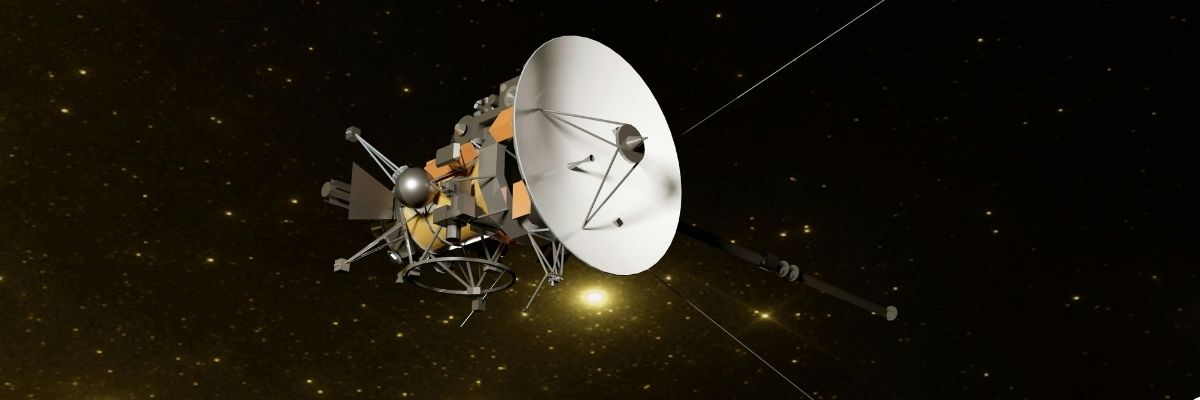
Imagine a self-sustaining city on Mars, powered and maintained by intelligent machines. Sounds like science fiction, right? But as space exploration accelerates, the reality of space colonies becomes increasingly tangible. This brings us to a crucial question: what ethical considerations must we address when integrating Artificial Intelligence (AI) into these extraterrestrial habitats? The future of humanity among the stars hinges on our ability to navigate the complex web of autonomy, control, and responsibility that comes with using AI in such a unique and challenging environment.
Why Should We Even Care About AI Ethics in Space?
Think of a space colony as a giant, complex ecosystem. It’s isolated, resource-scarce, and incredibly dependent on technology. AI won’t just be a helpful tool; it’ll be woven into the very fabric of colonial life. It will manage life support systems, allocate resources, oversee construction, and even provide companionship. But what happens when AI makes a mistake? Who is responsible when an autonomous system fails and puts lives at risk? These aren’t just hypothetical scenarios; they are real questions that demand careful consideration now, before we start building our Martian homes. Failing to address these ethical dilemmas could lead to catastrophic consequences for the colonists and the future of space exploration itself.
Autonomy in Space: How Much Freedom is Too Much?
AI autonomy refers to the level of independence and decision-making ability granted to AI systems. In a space colony, this ranges from simple automation (like regulating temperature) to complex autonomous systems (like repairing damaged habitats or making strategic resource allocation decisions). The key question is: how much autonomy should we give AI in these critical roles?
- Pros of High Autonomy:
- Efficiency: AI can react faster and more efficiently than humans in many situations, particularly in emergencies.
- Resource Management: AI can optimize resource allocation, minimizing waste and maximizing productivity.
- Dangerous Tasks: AI can perform hazardous tasks, such as repairing radiation shields or exploring dangerous terrains, without risking human lives.
- Cons of High Autonomy:
- Unforeseen Consequences: AI might make decisions with unintended or negative consequences that humans wouldn’t anticipate.
- Lack of Human Oversight: Too much autonomy can lead to a lack of human oversight, making it difficult to correct errors or address ethical concerns.
- Potential for Malfunction: AI systems are not infallible. Malfunctions or unforeseen programming errors can lead to catastrophic failures.
Finding the right balance is crucial. We need to leverage the benefits of AI autonomy while maintaining sufficient human oversight and control to mitigate potential risks. This requires carefully defining the scope of AI autonomy, establishing clear protocols for intervention, and building in robust safety mechanisms.
Control is Key, But Who’s Holding the Remote?
Control over AI systems in a space colony is a multi-layered issue. It’s not just about who can switch the AI off; it’s about who defines its goals, sets its parameters, and monitors its performance. Different levels of control can be considered:
- Centralized Control: A single authority (e.g., the colony administrator or a designated AI oversight committee) maintains ultimate control over all AI systems. This ensures consistency and accountability but can create bottlenecks and limit adaptability.
- Decentralized Control: Control is distributed among different individuals or groups, each responsible for specific AI systems. This promotes flexibility and responsiveness but can lead to conflicting priorities and a lack of coordination.
- Hybrid Control: A combination of centralized and decentralized control, where certain critical functions are centrally managed while others are delegated to local teams. This approach attempts to balance efficiency and adaptability.
The choice of control structure will depend on the specific needs and priorities of the colony. However, regardless of the chosen approach, it’s essential to establish clear lines of authority, define responsibilities, and implement robust monitoring and auditing mechanisms. Furthermore, the control structure should be designed with redundancy in mind. What happens if the primary control system fails? There needs to be a backup plan, ideally involving human intervention.
Responsibility: When AI Makes a Mistake, Who Pays the Price?
Perhaps the most challenging ethical dilemma is determining responsibility when AI systems make mistakes in a space colony. If an AI-controlled life support system malfunctions and endangers the colonists, who is to blame? The programmer? The manufacturer? The colony administrator who deployed the system?
- The Programmer: Arguably, the programmer is responsible for ensuring the AI is safe and reliable. However, it’s impossible to anticipate every possible scenario, and even the best-designed AI can have unforeseen flaws.
- The Manufacturer: The manufacturer is responsible for ensuring the hardware and software meet certain quality standards. However, they may not be fully aware of the specific operating conditions in a space colony.
- The Colony Administrator: The colony administrator is responsible for overseeing the overall safety and well-being of the colonists. However, they may lack the technical expertise to fully understand the intricacies of the AI systems they are deploying.
The answer is likely a combination of all three. Establishing clear lines of responsibility requires a comprehensive legal and regulatory framework that addresses AI liability in the context of space colonies. This framework should consider factors such as the level of AI autonomy, the foreseeability of the error, and the degree of due diligence exercised by each party. Furthermore, it’s crucial to establish mechanisms for redress and compensation for victims of AI-related errors. This could include insurance schemes, compensation funds, or other forms of restorative justice.
AI as a Partner: Cultivating Trust and Transparency
Beyond the technical aspects of autonomy, control, and responsibility, there’s a deeper ethical consideration: the relationship between humans and AI in a space colony. For AI to be truly effective, it needs to be more than just a tool; it needs to be a trusted partner. This requires cultivating trust and transparency in AI systems.
- Explainable AI (XAI): AI systems should be designed to explain their reasoning and decision-making processes to humans. This allows humans to understand why the AI made a particular decision and to identify potential biases or errors.
- Human-Centered Design: AI systems should be designed with the needs and preferences of humans in mind. This means involving humans in the design process and ensuring that the AI is easy to use and understand.
- Ethical Training: AI systems should be trained on ethical principles and values. This helps to ensure that the AI acts in a way that is consistent with human values and norms.
By fostering trust and transparency, we can create a collaborative environment where humans and AI work together to achieve common goals. This will not only improve the efficiency and effectiveness of space colonies but also enhance the overall quality of life for the colonists.
The Martian Constitution: Establishing Ethical Guidelines for AI
One proactive step we can take is to develop a set of ethical guidelines specifically tailored for AI in space colonies. Think of it as a "Martian Constitution" for AI. This document should outline the fundamental principles governing the use of AI in the colony, addressing issues such as:
- The right to human oversight: Ensuring that humans always have the ability to intervene in AI decision-making.
- The right to privacy: Protecting colonists’ personal data from unauthorized access or use by AI systems.
- The right to safety: Guaranteeing that AI systems are designed and operated in a way that minimizes risks to human health and safety.
- The right to due process: Establishing procedures for resolving disputes involving AI systems.
This "Martian Constitution" should be developed through a participatory process involving ethicists, engineers, legal experts, and, most importantly, future colonists themselves. It should be a living document, constantly evolving to reflect new technological developments and changing societal values.
Frequently Asked Questions
- Will AI replace humans in space colonies? No, the goal is for AI to augment human capabilities, not replace them. AI will handle repetitive and dangerous tasks, allowing humans to focus on more creative and strategic endeavors.
- What if an AI system becomes sentient? This is a complex philosophical question with no easy answers. Current AI is far from sentience, but if it were to occur, we would need to consider its rights and autonomy.
- How can we prevent AI from being used for malicious purposes in space colonies? Robust security measures, ethical guidelines, and strict oversight are crucial to prevent AI misuse. Regular audits and monitoring can help detect and prevent malicious activity.
- Who decides the ethical guidelines for AI in space colonies? A collaborative effort involving ethicists, engineers, legal experts, policymakers, and future colonists is essential to establish a comprehensive and inclusive framework.
- What happens if an AI makes a decision that harms the environment of another planet? International agreements and regulations will be necessary to address environmental responsibility in space. Penalties and remediation measures should be established for AI-caused environmental damage.
In conclusion, the ethical considerations surrounding AI in space colonies are complex and multifaceted. By proactively addressing issues of autonomy, control, and responsibility, we can ensure that AI serves as a powerful tool for expanding humanity’s reach among the stars, while safeguarding the well-being and freedom of future colonists; therefore, start these crucial conversations now to help establish a safe and ethical future.