
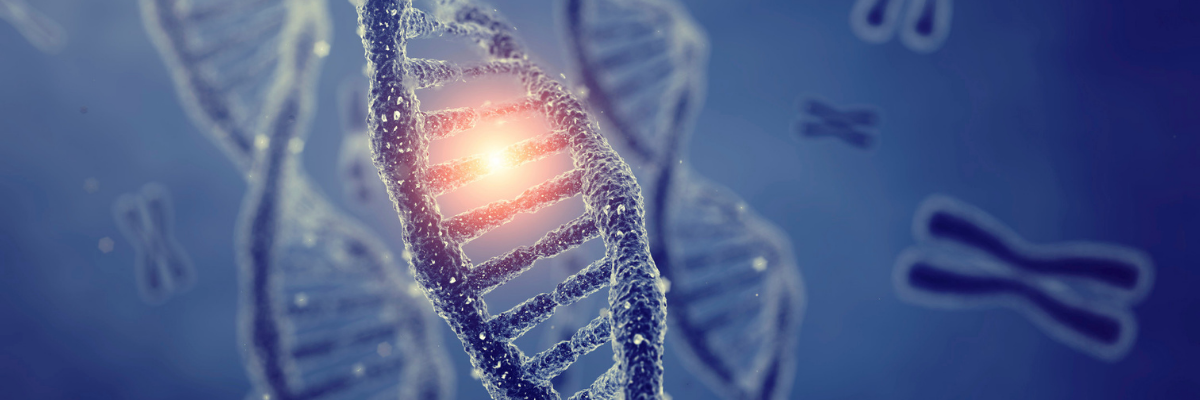
The vast expanse of space beckons, promising untold discoveries and the potential for humanity to become an interplanetary species. But venturing beyond Earth comes with colossal challenges, ones that require us to rethink our very biology. Bioengineering, the application of engineering principles to biological systems, is emerging as a vital tool in overcoming these hurdles, paving the way for sustainable and thriving off-world settlements.
Why Can’t We Just Pack a Lunch? The Realities of Space Travel
Leaving Earth isn’t just about building a rocket; it’s about creating a self-sustaining ecosystem for humans in an environment that’s fundamentally hostile to life as we know it. Think about it: space presents us with a cocktail of dangers, from radiation exposure and bone density loss to psychological stress and the sheer difficulty of growing food. Traditional methods of supplying astronauts with everything they need from Earth are incredibly expensive, logistically complex, and ultimately unsustainable for long-duration missions or permanent settlements. That’s where bioengineering steps in, offering solutions that tackle these problems at their biological roots.
So, What Exactly Is Bioengineering Doing Up There (Or Trying To)?
Bioengineering for space survival encompasses a wide range of research areas, all focused on adapting life – both human and other organisms – to the unique challenges of the space environment. Here’s a peek at some of the most exciting developments:
-
Radiation Shielding, But Make It Biological: One of the biggest threats in space is radiation. Traditional shielding methods are heavy and bulky. Bioengineering is exploring alternative solutions, like:
- Melanin-Rich Microorganisms: Melanin, the pigment that gives our skin its color, is also a fantastic radiation absorber. Researchers are investigating using melanin-producing microorganisms as a lightweight, self-replicating radiation shield. Imagine a bio-film grown on the exterior of a spacecraft, constantly regenerating and protecting the crew inside.
- Genetically Modified Bacteria: Scientists are also working on genetically engineering bacteria to produce radiation-resistant compounds, which could then be incorporated into building materials or even ingested by astronauts for internal protection.
-
Growing Food in Space: From Sci-Fi to Salad Bar: Sustaining a colony requires a constant supply of food. Shipping everything from Earth is impractical, so we need to grow our own. But traditional agriculture faces major hurdles in space:
- Closed-Loop Life Support Systems: These systems aim to recycle everything, from water and air to nutrients. Bioengineering plays a crucial role in designing and optimizing these systems, using algae, bacteria, and plants to convert waste into usable resources.
- Genetically Modified Crops: Scientists are developing crops that are more resistant to radiation, require less water and nutrients, and produce higher yields in the challenging conditions of space. Think super-efficient space potatoes!
- In-Situ Resource Utilization (ISRU): This involves using resources found on other planets, like lunar regolith, to grow food. Bioengineering can help us modify plants and microorganisms to thrive in these unconventional soils.
-
Keeping Bones Strong: The Gravity Problem: The lack of gravity in space leads to bone density loss and muscle atrophy. Bioengineering is tackling this problem from multiple angles:
- Gene Therapy: Researchers are exploring gene therapy to stimulate bone growth and prevent bone loss in astronauts.
- Bioreactors for Tissue Engineering: Bioreactors can be used to grow bone tissue in space, potentially providing astronauts with replacement bone grafts if needed.
- Personalized Exercise Regimens: Combining data from genetic analysis with advanced monitoring technologies can help create customized exercise programs that are more effective at mitigating the effects of microgravity.
-
The Human Body, Upgraded: Enhancing Human Resilience: Ultimately, the goal is to make humans more resilient to the harsh environment of space. This involves:
- Synthetic Biology: Creating artificial biological systems to perform specific tasks, such as synthesizing essential nutrients or detoxifying harmful substances.
- Microbiome Engineering: The human gut microbiome plays a crucial role in overall health. Modifying the microbiome of astronauts could enhance their immune system, improve nutrient absorption, and even influence their mood.
- Advanced Diagnostics and Monitoring: Developing sophisticated sensors and diagnostic tools to monitor the health of astronauts in real-time, allowing for early detection and treatment of potential problems.
Beyond the Lab: Real-World Applications and Challenges
While much of this research is still in its early stages, some bioengineering solutions are already being tested in space. For example, the International Space Station (ISS) has been used to conduct experiments on plant growth in microgravity, test the effectiveness of radiation shielding materials, and study the effects of spaceflight on the human body.
However, translating these findings into practical applications presents significant challenges:
- Ethical Considerations: As we delve deeper into modifying life for space survival, ethical questions arise. How far should we go in altering the human genome? What are the potential risks and benefits of these technologies? These questions require careful consideration and public dialogue.
- Regulatory Hurdles: The development and deployment of bioengineered solutions for space travel will require navigating complex regulatory frameworks. Ensuring safety and responsible innovation is paramount.
- Scalability and Cost: Many bioengineering solutions are currently expensive and difficult to scale up. Making these technologies affordable and accessible will be crucial for widespread adoption.
- Long-Term Effects: We need to understand the long-term effects of bioengineered solutions on both humans and the environment. Rigorous testing and monitoring are essential.
The Future is Biological: What’s on the Horizon?
The future of space survival is inextricably linked to bioengineering. As we push the boundaries of human exploration, we will increasingly rely on biological solutions to overcome the challenges of living and working in space. Here are some exciting areas of future research:
- Self-Healing Materials: Imagine spacecraft that can repair themselves using bioengineered materials. Researchers are exploring the use of bacteria and fungi to create self-healing composites that could dramatically reduce maintenance costs and improve the safety of space missions.
- Bioprinting in Space: Bioprinting could revolutionize medical care in space, allowing astronauts to create custom-made tissues and organs on demand. This could be particularly useful for treating injuries or illnesses during long-duration missions.
- Terraforming Assistance: While terraforming entire planets is a long-term goal, bioengineering could play a role in creating more habitable environments. Genetically modified organisms could be used to break down toxic compounds, create fertile soil, and even generate breathable air.
- Personalized Medicine for Space Travelers: As we learn more about the genetic factors that influence human resilience to spaceflight, we can develop personalized medical treatments and preventative strategies tailored to the individual astronaut.
Frequently Asked Questions (Because You’re Probably Wondering…)
- What exactly is bioengineering? Bioengineering applies engineering principles to biological systems, aiming to solve problems in medicine, agriculture, and other fields.
- Why is bioengineering important for space travel? Space is a harsh environment, and bioengineering can help us adapt life to survive and thrive there sustainably.
- Is it safe to modify human genes for space travel? This is a complex ethical question with no easy answers; any modifications must be carefully considered and rigorously tested.
- Can we really grow food in space? Yes! Experiments on the ISS have shown that it’s possible to grow a variety of crops in microgravity.
- Will bioengineering make us into superhumans? While enhancements are possible, the main goal is to help us survive and adapt to the challenging space environment, not necessarily become "superhuman."
So, What’s the Takeaway?
Bioengineering is not just a futuristic concept; it’s a critical component of our future in space. By harnessing the power of biology, we can overcome the limitations of our current technology and create a sustainable path for human exploration and settlement beyond Earth.