
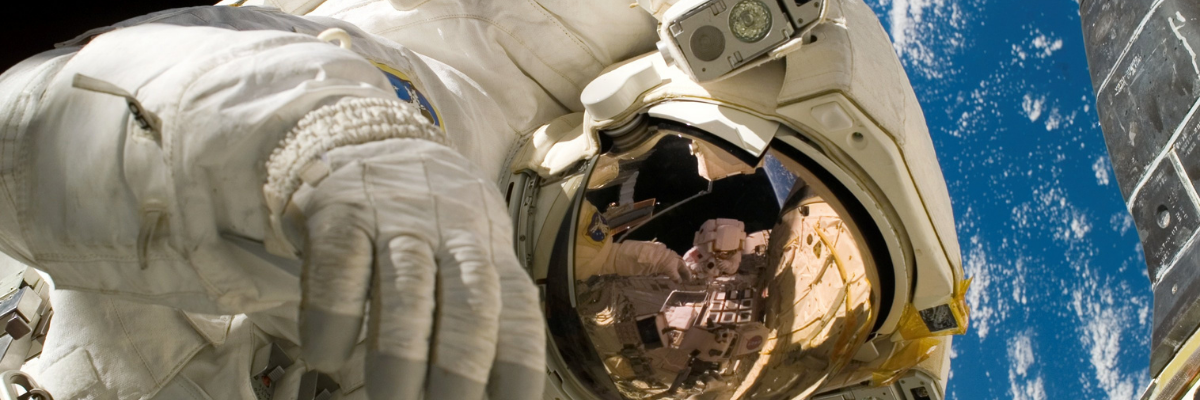
Imagine packing for a trip, but you can’t just pop to the shops if you forget something. Now, amplify that by a million and you’ll get a sense of the challenges astronauts face when venturing into space. Beyond the incredible science and breathtaking views, a massive logistical puzzle is being solved every single day: how to survive, and thrive, when every single resource is precious and finite. Let’s dive into the amazing world of space recycling and discover how astronauts are the ultimate recyclers, turning waste into vital resources.
Why is Space Recycling Such a Big Deal Anyway?
Think about it. Every gram of material launched into space costs a small fortune. We’re talking thousands of dollars per pound! Bringing up fresh supplies constantly is just not feasible for long-duration missions, like those planned for the Moon or Mars. Therefore, recycling isn’t just eco-friendly in space; it’s absolutely essential for making these ambitious missions a reality. It’s the key to creating self-sustaining habitats off-world, allowing astronauts to live and work for extended periods without constantly relying on Earth for support.
From Trash to Treasure: What Can You Actually Recycle in Space?
You might be surprised by the range of materials that can be recycled in space. It’s not just about sorting plastics and aluminum cans. The focus is on recovering the most vital resources: water and air.
- Water, Water Everywhere (But Not a Drop to Waste): Water is arguably the most critical resource. It’s needed for drinking, hygiene, food production, and even generating oxygen. Astronauts recover water from multiple sources:
- Urine: Yes, you read that right! A sophisticated system filters and purifies urine, turning it into potable water. Don’t worry, it’s cleaner than most tap water!
- Sweat: Exercise is crucial for maintaining bone density in zero gravity, but all that sweating would be wasteful if the moisture wasn’t captured and recycled.
- Humidity: Even the air within the spacecraft is a valuable source of water. Condensation is collected and processed, adding to the water supply.
- Breathing Easy: Reclaiming Air from Thin Air (Almost!) The air revitalization system is another marvel of engineering. It removes carbon dioxide (CO2) exhaled by astronauts and uses it to generate oxygen. This process, combined with other filtration systems, ensures a clean and breathable atmosphere inside the spacecraft.
- Food Waste? Not So Fast! While composting systems are still under development for space, researchers are exploring ways to turn food waste into usable resources. This could include generating methane for fuel or using it as a substrate for growing plants.
- Plastic Fantastic (Maybe): Recycling plastics in space is a more complex challenge. The goal is to melt down and reshape plastic waste into new tools, components, or even building materials. 3D printers are key to this process, allowing astronauts to create custom parts on demand.
- Even Metals Get a Second Life: Scrap metal from broken equipment or packaging can be melted down and reformed into new tools or components using specialized furnaces. This reduces the need to transport replacement parts from Earth.
The Tech Behind the Magic: How Does Space Recycling Work?
Recycling in space relies on advanced technologies and carefully designed systems. Here’s a glimpse into some of the key innovations:
- Water Recovery Systems: These systems use a combination of filtration, distillation, and oxidation to purify water. Key components include:
- Multifiltration Beds: Remove organic and inorganic contaminants.
- Reverse Osmosis: Separates water molecules from dissolved salts and other impurities.
- Catalytic Oxidation: Destroys any remaining organic compounds.
- Air Revitalization Systems: These systems remove CO2 from the air and generate oxygen. Key components include:
- Carbon Dioxide Removal Assembly (CDRA): Absorbs CO2 from the air.
- Sabatier Reactor: Reacts CO2 with hydrogen to produce methane and water. The water is then electrolyzed to produce oxygen.
- Oxygen Generation System (OGS): Electrolyzes water to produce oxygen.
- 3D Printers: These printers use plastic filaments or metal powders to create three-dimensional objects. They allow astronauts to manufacture tools, components, and even habitats on demand.
- Plasma Gasification: This technology uses extremely high temperatures to break down waste into its basic elements. The resulting gases can then be used to generate energy or synthesize new materials.
The Challenges of Recycling in Zero Gravity (It’s Not as Easy as it Looks!)
Recycling in space isn’t without its challenges. Zero gravity presents unique obstacles:
- Fluid Management: Liquids behave differently in zero gravity, making it difficult to separate and process them. Special containers and pumps are needed to manage fluids effectively.
- Waste Containment: Containing waste in a closed environment is crucial to prevent contamination. Leak-proof bags and containers are essential.
- Energy Requirements: Recycling processes require energy, which can be limited in space. Solar power is a primary source, but its availability varies depending on the spacecraft’s orbit.
- Equipment Maintenance: Maintaining complex recycling systems in space can be challenging. Astronauts need to be trained to troubleshoot and repair equipment.
- Space Limitations: Space on a spacecraft is precious. Recycling equipment needs to be compact and efficient to minimize its footprint.
- Safety Concerns: Some recycling processes involve hazardous materials or high temperatures. Safety protocols and equipment are essential to protect astronauts.
Looking to the Future: The Next Frontier of Space Recycling
The future of space recycling is bright. Researchers are constantly developing new and improved technologies to make recycling more efficient and sustainable. Some promising areas of research include:
- Closed-Loop Life Support Systems: These systems aim to recycle all resources within a spacecraft, creating a completely self-sustaining environment.
- Bioregenerative Life Support Systems: These systems use plants and microorganisms to recycle waste and generate food and oxygen.
- In-Situ Resource Utilization (ISRU): This involves using resources found on other planets or moons to produce materials and fuel. For example, extracting water ice from the Moon and using it to create rocket fuel.
- Advanced Waste Processing Technologies: These technologies include plasma gasification, pyrolysis, and anaerobic digestion, which can convert waste into valuable resources.
How You Can Help Bring Space Recycling Down to Earth
While space recycling may seem like a far-off concept, many of the technologies and principles involved have applications here on Earth. By supporting sustainable practices and advocating for responsible waste management, you can contribute to a more sustainable future for our planet.
- Reduce, Reuse, Recycle: Embrace the classic mantra of environmentalism. Reduce your consumption, reuse items whenever possible, and recycle materials properly.
- Support Sustainable Products: Choose products made from recycled materials or that are designed to be easily recycled.
- Advocate for Policies: Support policies that promote recycling and waste reduction.
- Educate Others: Spread awareness about the importance of recycling and sustainable practices.
Frequently Asked Questions About Recycling in Space
- Is space water recycled from pee really safe to drink? Yes! The water purification system is extremely effective, removing all contaminants and ensuring the water is safe and potable.
- Why can’t astronauts just bring more supplies from Earth? The cost of launching materials into space is incredibly high, making resupply missions impractical for long-duration missions.
- What happens to the trash that can’t be recycled in space? Non-recyclable waste is typically compacted and stored until it can be disposed of, sometimes by burning up in Earth’s atmosphere.
- Are there any plans to recycle food in space? Researchers are exploring ways to compost or convert food waste into usable resources, such as methane for fuel or as a substrate for growing plants.
- How do astronauts separate different types of waste in zero gravity? Special bags and containers are used to separate waste, and air currents are carefully managed to prevent items from floating away.
Final Thoughts: Every Gram Counts
Recycling in space is not just a technical challenge; it’s a testament to human ingenuity and our commitment to exploring the universe sustainably. By pushing the boundaries of recycling technology, we’re not only enabling longer and more ambitious space missions, but also developing solutions that can benefit our planet right here on Earth. The lessons learned in space are already helping us create more efficient and sustainable ways to manage resources and reduce waste, proving that sometimes, looking to the stars can help us solve problems closer to home.