
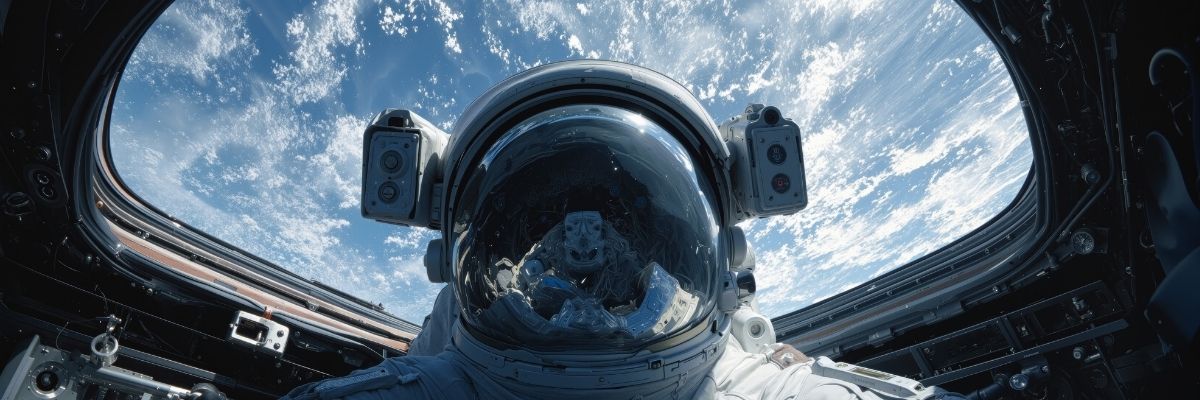
Imagine being confined to a space the size of a small apartment with the same few people for months, even years, hurtling through the vast emptiness of space. The physical challenges of long-duration space missions are well-documented, but equally critical, and often less visible, are the psychological hurdles astronauts face. Understanding and mitigating these psychological challenges is paramount for mission success and the well-being of the brave individuals pushing the boundaries of human exploration.
So, What’s the Big Deal About Psychology in Space?
Space travel is inherently stressful. Beyond the obvious dangers of launch, radiation exposure, and micrometeoroid impacts, there’s the constant isolation, confinement, and sensory deprivation. These factors can significantly impact an astronaut’s mental health, affecting their mood, cognitive performance, and ability to work effectively as part of a team. Imagine never seeing the sky or feeling the wind on your face. These seemingly small things can have a profound effect on the human psyche.
The Loneliness of the Long-Distance Astronaut: Isolation and Confinement
One of the most significant psychological challenges in long-duration space missions is the profound sense of isolation. Astronauts are cut off from their families, friends, and the familiar comforts of Earth. This isolation, coupled with the confinement of a spacecraft or habitat, can lead to feelings of loneliness, depression, and anxiety. Think about it: no impromptu coffee with a friend, no Sunday dinners with family, no spontaneous trips to the park.
- Mitigation Strategies:
- Regular Communication: Scheduled video calls with family and friends are crucial.
- Virtual Reality (VR): VR simulations of Earth environments can provide a sense of connection to home.
- Personalized Comfort Items: Allowing astronauts to bring personal items like photos, books, or music can help alleviate feelings of homesickness.
- Strong Crew Cohesion: Fostering a supportive and communicative crew environment is paramount.
“Houston, We Have a Problem…With Our Moods”: Mood Swings and Emotional Regulation
The extreme environment of space, combined with the stress of the mission, can lead to significant mood swings. Astronauts may experience periods of euphoria followed by bouts of irritability, frustration, or sadness. This instability can negatively impact team dynamics and mission performance. Imagine trying to perform complex tasks while feeling emotionally unstable.
- Mitigation Strategies:
- Pre-Flight Psychological Screening: Thorough psychological assessments can identify individuals who may be more prone to mood instability.
- Cognitive Behavioral Therapy (CBT): Training in CBT techniques can help astronauts manage their emotions and cope with stress.
- Mindfulness and Meditation: Practicing mindfulness and meditation can promote emotional regulation and reduce stress.
- Structured Schedules: Maintaining a predictable daily routine can provide a sense of stability and control.
Brain Drain in Orbit: Cognitive Performance and How to Fight It
Space travel can also impair cognitive function. Factors like radiation exposure, sleep deprivation, and the monotony of the environment can negatively impact attention, memory, and decision-making abilities. Imagine trying to remember a complex procedure after weeks of sleep deprivation.
- Mitigation Strategies:
- Cognitive Training: Regular cognitive training exercises can help maintain and improve cognitive performance.
- Adequate Sleep: Ensuring astronauts get sufficient sleep is crucial. Implementing strict sleep schedules and using sleep aids when necessary are important.
- Varied Activities: Incorporating a variety of activities into the daily routine can help combat monotony and stimulate cognitive function.
- Ergonomic Design: Designing spacecraft and habitats with ergonomics in mind can reduce physical strain and improve cognitive performance.
Teamwork Makes the Dream Work (But What Happens When It Doesn’t?): Group Dynamics and Conflict Resolution
Long-duration space missions require astronauts to live and work in close quarters for extended periods. This can lead to interpersonal conflicts and strain team dynamics. Imagine being stuck in a small space with the same few people for months, with no escape.
- Mitigation Strategies:
- Crew Selection: Carefully selecting crew members based on their compatibility and teamwork skills is essential.
- Team Building Exercises: Conducting team building exercises before and during the mission can foster trust and communication.
- Conflict Resolution Training: Providing astronauts with conflict resolution training can equip them with the skills to resolve disagreements constructively.
- Designated Communication Channels: Establishing clear communication channels for addressing concerns and resolving conflicts is important.
The “Overview Effect”: A Cosmic Perspective and Its Psychological Impact
Some astronauts report experiencing the “overview effect,” a profound shift in perspective upon seeing Earth from space. This can lead to feelings of awe, interconnectedness, and a renewed sense of purpose. While often positive, the overview effect can also be disorienting and even emotionally overwhelming. Imagine seeing the Earth as a fragile blue marble hanging in the vastness of space.
- Mitigation Strategies:
- Pre-Flight Preparation: Preparing astronauts for the possibility of experiencing the overview effect can help them integrate the experience.
- Post-Flight Support: Providing astronauts with psychological support after their mission can help them process and integrate the experience.
- Sharing Experiences: Encouraging astronauts to share their experiences with others can help them connect with others and find meaning in their journey.
The Return to Earth: Readjustment and Reintegration Challenges
Returning to Earth after a long-duration space mission can be challenging. Astronauts may experience difficulty readjusting to gravity, reconnecting with family and friends, and reintegrating into society. The transition from the controlled environment of space to the complexities of Earth can be overwhelming.
- Mitigation Strategies:
- Gradual Re-adaptation: Implementing a gradual re-adaptation program that includes physical therapy, psychological support, and social reintegration activities.
- Family Counseling: Providing family counseling to help astronauts and their families reconnect and address any challenges.
- Community Support: Connecting astronauts with a supportive community of fellow astronauts and space professionals.
Frequently Asked Questions
- What is the biggest psychological challenge in space? Isolation and confinement are considered the most significant psychological challenges due to their pervasive impact on mood, cognition, and social interactions.
- How do astronauts cope with loneliness? Astronauts use scheduled communication with family, VR simulations of Earth environments, and personalized comfort items to combat loneliness.
- Can space travel affect cognitive function? Yes, factors like radiation, sleep deprivation, and monotony can negatively impact attention, memory, and decision-making.
- What is the “overview effect?” It’s a profound shift in perspective some astronauts experience when seeing Earth from space, leading to feelings of awe and interconnectedness.
- Is there psychological support for astronauts after they return? Yes, comprehensive post-flight support includes physical therapy, psychological counseling, and social reintegration activities.
In conclusion, understanding and addressing the psychological challenges of long-duration space missions is essential for ensuring the well-being and performance of astronauts. By implementing effective mitigation strategies and providing comprehensive support, we can help these brave explorers thrive in the extreme environment of space. Remember, taking care of the mind is just as important as taking care of the body when venturing into the unknown.