
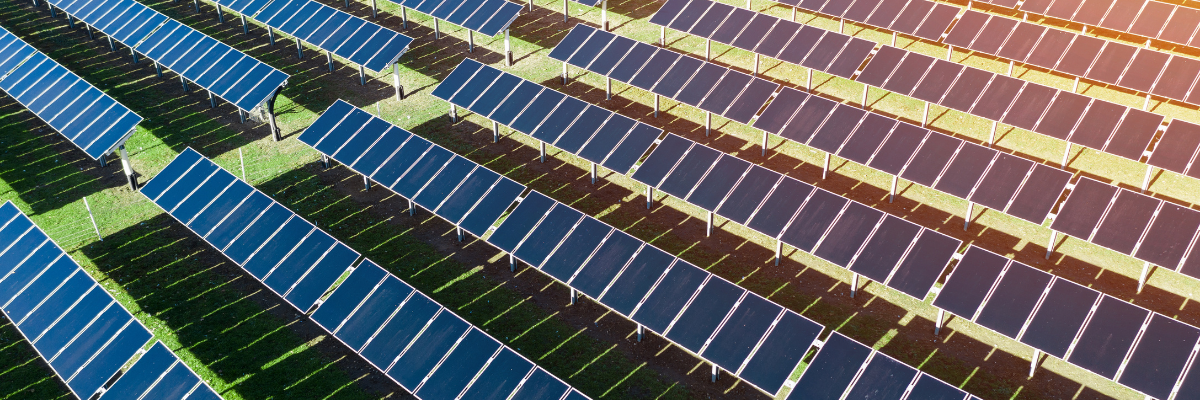
Imagine a world powered by clean, abundant energy beamed directly from space. Sounds like science fiction, right? Well, the dream of space-based solar power (SBSP) is closer to reality than you might think, and it holds the potential to revolutionize how we power our planet. Let’s dive into this fascinating concept and explore why it’s gaining serious traction as a solution to our ever-growing energy needs.
Why Bother Shooting Solar Panels into Space? Earth Seems Sunny Enough!
Okay, fair point. We already have solar panels here on Earth. But the advantages of harvesting solar energy in space are, quite literally, astronomical:
- Uninterrupted Sunlight: In space, there are no pesky clouds, nighttime, or atmospheric interference to block the sun’s rays. That means solar panels can generate power 24/7, 365 days a year. Think of it as solar power on steroids!
- Higher Efficiency: The Earth’s atmosphere absorbs and reflects some sunlight before it reaches the surface. In space, solar panels receive significantly more intense sunlight, leading to much higher energy conversion efficiency.
- Vast Potential: The amount of solar energy available in space is staggering. Capturing even a small fraction of it could satisfy a large portion of our global energy demand.
Okay, I’m Intrigued. How Would Space-Based Solar Power Actually Work?
The basic concept is surprisingly straightforward:
- Giant Solar Arrays: Huge solar panels are deployed in geostationary orbit (approximately 36,000 kilometers above Earth). These arrays collect sunlight and convert it into electricity.
- Energy Transmission: The electricity is then converted into radio frequency (RF) waves or microwaves. These waves are beamed down to receiving stations on Earth.
- Ground Receivers (Rectennas): These ground-based antennas, called rectennas, capture the incoming RF waves and convert them back into usable electricity, which can then be fed into the power grid.
The Tech Behind the Dream: What Makes It Possible?
While the concept is simple, the execution is anything but. Several key technologies are crucial for making SBSP a reality:
- Efficient Solar Cells: We need lightweight and highly efficient solar cells to maximize energy capture. Research is focusing on advanced materials like perovskites and multi-junction cells that offer significant improvements over traditional silicon-based cells.
- Wireless Power Transmission: Efficiently and safely transmitting energy over vast distances is a major challenge. RF and microwave transmission are the leading contenders, but researchers are also exploring laser-based transmission.
- Large-Scale Structures in Space: Building and deploying massive solar arrays in space requires advanced robotics, 3D printing technologies, and innovative structural designs. Think of it as building a city in space!
- Launch Costs: Getting all this equipment into orbit is currently very expensive. Reducing launch costs through reusable rockets and other innovations is critical for making SBSP economically viable.
The Challenges: It’s Not All Sunshine and Rainbows
Despite the immense potential, SBSP faces several significant hurdles:
- Cost: The upfront investment required to develop and deploy SBSP systems is enormous. We need breakthroughs in technology and manufacturing to bring down costs.
- Environmental Concerns: There are concerns about the potential environmental impacts of microwave or RF radiation on the atmosphere and human health. Extensive research and careful regulation are essential to address these concerns.
- Space Debris: The increasing amount of space debris poses a threat to satellites and other spacecraft, including SBSP systems. Active debris removal and improved tracking are crucial.
- Political and Regulatory Issues: International agreements and regulations are needed to govern the use of space for power generation and to ensure fair access to this valuable resource.
Who’s Working on Space-Based Solar Power? You Might Be Surprised!
SBSP is no longer just a futuristic fantasy. Governments, space agencies, and private companies around the world are actively researching and developing this technology:
- The US: The US Air Force Research Laboratory (AFRL) is actively pursuing SBSP research, with projects like the Space Solar Power Incremental Demonstrations and Research (SSPIDR) program.
- Japan: The Japan Aerospace Exploration Agency (JAXA) has been a long-time proponent of SBSP and has conducted numerous experiments and demonstrations.
- China: China has ambitious plans for developing SBSP and is investing heavily in related technologies.
- The European Space Agency (ESA): ESA is exploring SBSP as part of its Clean Energy initiative.
- Private Companies: Numerous private companies, such as Space Solar, Solaren, and Virtus Solis, are developing innovative SBSP technologies and business models.
The Benefits: More Than Just Clean Energy
While clean energy is the primary driver behind SBSP, the benefits extend far beyond:
- Energy Independence: SBSP could reduce our reliance on fossil fuels and foreign energy sources, enhancing energy security.
- Economic Growth: The development and deployment of SBSP systems would create new jobs and stimulate economic growth in related industries.
- Space Exploration: SBSP technologies could also be used to power future space missions and settlements.
- Remote Powering: SBSP could provide electricity to remote or disaster-stricken areas where traditional power grids are unavailable.
The Future is Bright (and Powered by Space!)
SBSP is still in its early stages of development, but the potential benefits are too significant to ignore. As technology advances and costs come down, space-based solar power could become a major source of clean, sustainable energy for the world. It’s a bold vision, but one that could help us address the challenges of climate change and ensure a brighter future for generations to come.
Frequently Asked Questions (FAQs)
- Is space-based solar power safe? Extensive research is being conducted to ensure the safety of microwave or RF transmission. Regulators will need to set safety standards to ensure that the levels are safe for humans and the environment.
- How big would these solar arrays be? Enormous! We’re talking kilometers in size, making them some of the largest structures ever built.
- How efficient is wireless power transmission? Efficiencies are improving, but they are not yet perfect. Current research aims to achieve efficiencies of over 50%.
- What happens during a solar flare? SBSP systems would need to be designed to withstand solar flares. Redundancy and shielding would be essential.
- When will space-based solar power be a reality? Some experts predict that we could see operational SBSP systems within the next few decades, but significant technological and economic hurdles remain.
The Takeaway
Space-based solar power is a complex and ambitious undertaking, but it offers a promising path towards a clean and sustainable energy future. While challenges remain, ongoing research and development are steadily bringing this revolutionary technology closer to reality. Keep an eye on the skies!