
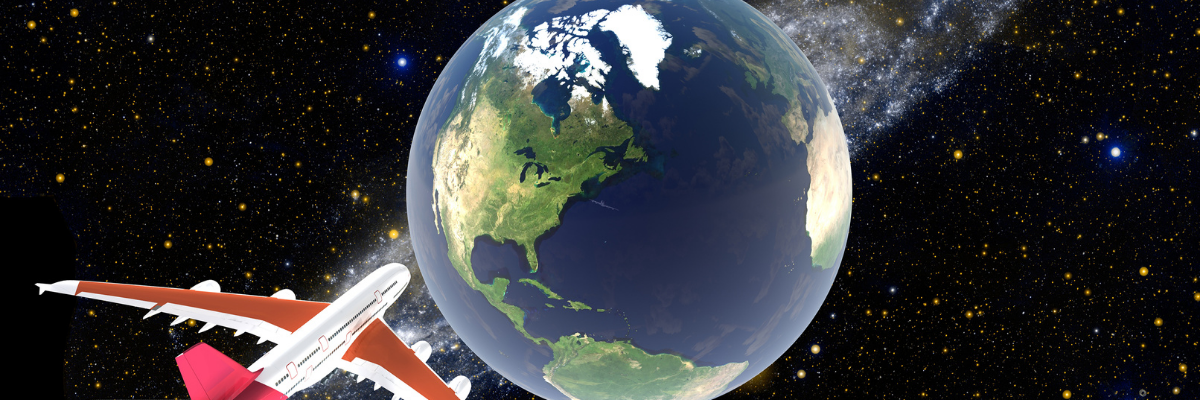
The allure of space has captivated humanity for centuries, transitioning from the realm of science fiction to a tangible, albeit exclusive, possibility. But what will space tourism actually look like in just over a decade? Forget the rocket-fueled dreams of the past; by 2035, the space tourism industry is poised for a dramatic evolution, offering diverse experiences and (hopefully) becoming a touch more accessible.
Blast Off to a New Era: Why Space Tourism is About to Get Real
The current state of space tourism is undeniably exclusive. Think multi-million dollar trips to the International Space Station or brief suborbital hops with companies like Virgin Galactic and Blue Origin. However, several factors are converging to dramatically reshape the landscape by 2035:
- Increased Competition: The space race isn’t just between nations anymore. A growing number of private companies are vying for a piece of the pie, driving innovation and, crucially, pushing prices down (eventually!).
- Technological Advancements: Reusable rockets, more efficient propulsion systems, and improved spacecraft designs are all contributing to making space travel safer, more frequent, and more affordable.
- Growing Demand: Despite the hefty price tags, there’s significant interest in space tourism. This demand fuels investment and encourages companies to develop new and exciting offerings.
Beyond the Brief Bounce: What Kinds of Space Trips Will Be Available?
Forget just a fleeting glimpse of Earth’s curvature. By 2035, expect a tiered system of space tourism experiences, catering to different budgets and thrill levels:
- Suborbital Flights: A Taste of Weightlessness: These flights, similar to what Virgin Galactic and Blue Origin currently offer, will likely become more common and slightly more affordable. Expect improved cabin designs, enhanced viewing experiences, and a slightly longer duration of weightlessness. Think of it as a "space lite" experience.
- Orbital Stays: Living the Dream (for a Price): Imagine spending days, even weeks, orbiting Earth. Companies are already planning private space stations designed for tourism and research. These stations will offer comfortable accommodations, stunning views, opportunities for scientific experiments (if you’re inclined), and, of course, incredible photo opportunities.
- Lunar Adventures: Footprints on the Moon, Maybe? This is the most ambitious and expensive category, but not entirely out of reach by 2035. While a full-blown lunar base for tourists is unlikely, expect potential flyby missions or even short surface expeditions for a select few ultra-wealthy individuals. Space agencies like NASA are also working on lunar missions, so collaboration with private companies could make this a reality.
- High-Altitude Balloon Flights: The Affordable Stargazing Option: While not technically space travel, these flights offer a near-space experience at a fraction of the cost. Passengers ascend to the stratosphere in a pressurized capsule attached to a massive balloon, providing breathtaking views of Earth’s curvature and the blackness of space.
What Will the Spacecraft of the Future Look Like?
Get ready for some seriously sleek and innovative designs! The spacecraft of 2035 will be more comfortable, safer, and more environmentally friendly than their predecessors:
- Reusable Rockets: The Key to Affordability: Reusability is paramount. Think of it like flying on a commercial airplane versus a one-time-use rocket. Companies like SpaceX are already leading the way, and expect further advancements in reusable rocket technology, making space travel significantly cheaper.
- Spacious and Comfortable Cabins: Gone are the cramped capsules of the past. Future spacecraft will prioritize passenger comfort, with larger windows for optimal viewing, comfortable seating (or even beds for orbital stays), and advanced life support systems.
- Sustainable Propulsion Systems: The environmental impact of space travel is a growing concern. Expect the development of more sustainable propulsion systems, such as those powered by methane or even hydrogen, to reduce the carbon footprint of space tourism.
Training for Takeoff: How Will You Prepare for Your Space Trip?
Don’t expect to just hop on a rocket without any preparation! Space tourism will require specialized training to ensure passenger safety and comfort:
- G-Force Training: Experiencing the intense acceleration of a rocket launch requires physical conditioning. Expect centrifuge training to prepare your body for the forces involved.
- Survival Training: Space is a harsh environment. Passengers will need to learn basic survival skills, including how to operate life support systems and respond to emergencies.
- Weightlessness Adaptation: Adjusting to weightlessness can be disorienting. Training will involve simulations and exercises to help passengers adapt to this unique environment.
- Medical Assessments: Rigorous medical screenings will be essential to ensure that passengers are physically and mentally fit for space travel.
Beyond the View: What Else Can You Do in Space?
Space tourism isn’t just about looking out the window. Expect a range of activities to keep you entertained and engaged during your cosmic adventure:
- Scientific Experiments: Participate in citizen science projects, conducting experiments in a microgravity environment.
- Educational Programs: Learn about space exploration, astronomy, and the history of space travel.
- Gourmet Dining: Enjoy specially prepared meals designed for consumption in space.
- Zero-Gravity Games: Experience the fun of playing games in weightlessness.
- Virtual Reality Experiences: Immerse yourself in virtual reality simulations of other planets and galaxies.
The Price is Right (Eventually): How Much Will Space Tourism Cost?
This is the million-dollar (or multi-million dollar) question! While space tourism remains expensive, prices are expected to decrease over time:
- Suborbital Flights: Expect prices to fall from the current range of hundreds of thousands of dollars to potentially tens of thousands of dollars by 2035, as competition increases and technology improves.
- Orbital Stays: Stays on private space stations will likely remain very expensive, costing millions of dollars per week.
- Lunar Adventures: These missions will be the most exclusive and expensive, potentially costing hundreds of millions of dollars.
- High-Altitude Balloon Flights: The most affordable option, with prices potentially ranging from tens of thousands of dollars.
The Ethical Considerations: Is Space Tourism Just for the Rich?
The democratization of space travel is a crucial ethical consideration. Currently, space tourism is largely accessible only to the ultra-wealthy. As the industry evolves, it’s important to address these concerns:
- Environmental Impact: Space launches contribute to pollution and greenhouse gas emissions. The industry must prioritize sustainable practices.
- Equity and Access: Efforts should be made to make space travel more accessible to a wider range of people, potentially through scholarships, lotteries, or subsidized programs.
- Space Debris: The increasing number of objects in orbit raises concerns about space debris and the potential for collisions. Responsible space travel practices are essential.
Frequently Asked Questions
- How dangerous is space tourism? Space travel involves inherent risks, but safety is a top priority. Extensive training and rigorous safety protocols are in place to minimize risks.
- Will I need special skills to go to space? No special skills are required, but you will need to undergo training to prepare for the physical and psychological challenges of space travel.
- What if I get sick in space? Spacecraft will have medical facilities and trained medical personnel to handle any health issues that may arise.
- Can I bring my phone to space? Yes, you can bring your phone, but communication with Earth may be limited.
- Will I get motion sickness in space? Some people experience space adaptation syndrome, which is similar to motion sickness. Medication and adaptation techniques can help alleviate symptoms.
Ready to Reach for the Stars?
Space tourism by 2035 promises to be a transformative industry, offering a range of experiences from suborbital hops to orbital stays. While it may still be expensive, the increasing competition and technological advancements will hopefully pave the way for greater accessibility, allowing more people to experience the wonder of space travel. So, start saving, training, and dreaming – the cosmos might just be closer than you think!